
The built environment is undergoing rapid transformation, with AI, digital engineering, and intelligent building systems now actively reshaping how buildings are designed, delivered and operated. These themes were at the heart of CIBSE’s Technology and Innovation Conference, held recently at CIBSE Headquarters, which brought together leading voices from across the building engineering profession to share evidence-based insights and practical applications of emerging technologies.
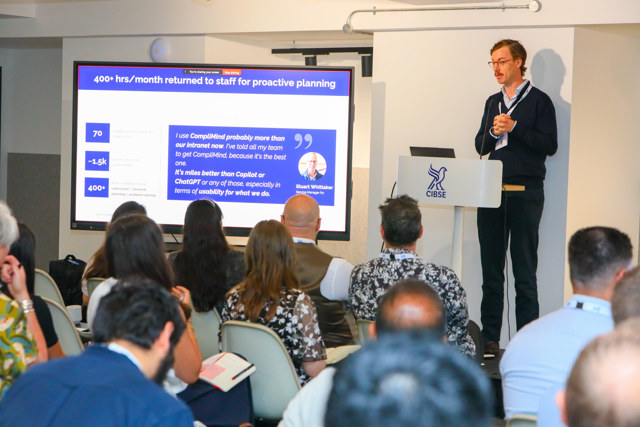
The conference highlighted both the opportunity and the challenge facing the sector: while innovation is accelerating, many practitioners are still navigating how to adopt new tools safely, effectively and in line with an increasingly complex regulatory landscape.
Across a full day of presentations and discussion, delegates explored how AI and machine learning are being applied in real engineering workflows, from generative design and predictive simulation through to automated compliance checking and AI-enabled building operation. Sessions also examined the importance of data governance, ethics, and responsible deployment of AI within the industry.
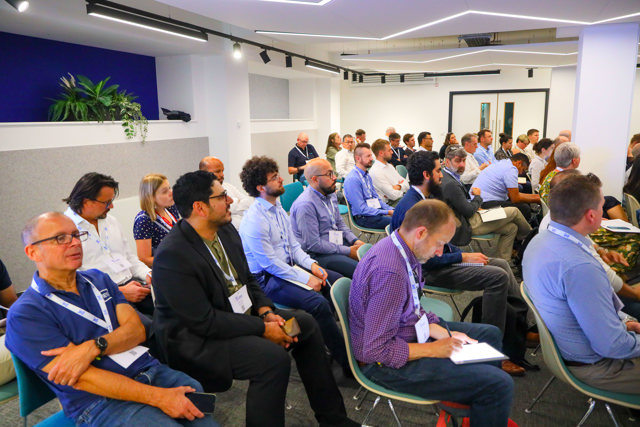
Further focus was placed on digital tools and platforms supporting modern engineering practice, including modelling and automation solutions, carbon accounting workflows such as CIBSE TM65, energy benchmarking dashboards and emerging cloud-based commissioning and diagnostics technologies.
Decarbonisation remained a central theme throughout, with speakers showcasing how innovation is accelerating progress towards net zero. Discussions covered integrated building systems, HVAC and controls optimisation, renewable technologies, and scalable retrofit approaches aligned with UK net zero standards for the built environment.
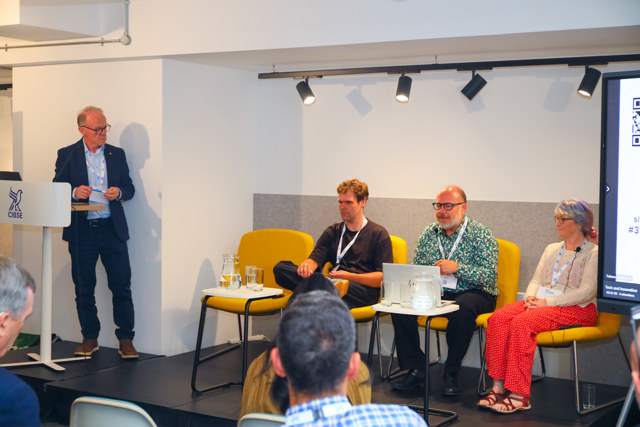
The conference also addressed the future skills agenda, emphasising the need for greater digital and AI fluency across the profession. Sessions explored professional development pathways, cross-disciplinary collaboration, and the role of universities, start-ups and R&D in shaping the next generation of building engineers.
Innovation in products and materials was another key highlight, with examples including smart façades with embedded sensors, next-generation heat pumps, and modular plant solutions designed to improve performance and reduce carbon across the lifecycle of buildings.
Overall, the event demonstrated how innovation is redefining building engineering, showcasing breakthrough technologies, pioneering research, and practical solutions that are shaping a more sustainable, efficient and intelligent built environment.
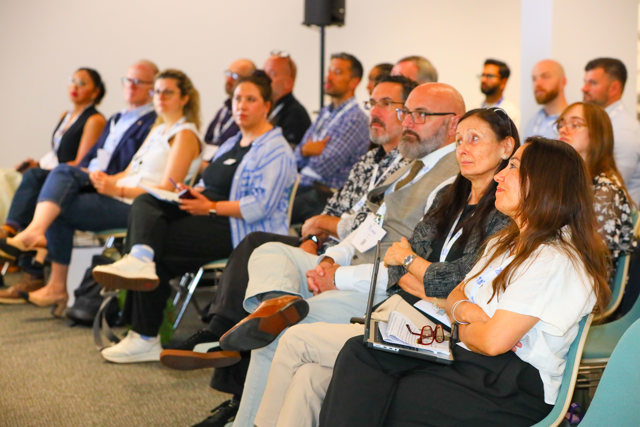
Sponsors of the conference included Autodesk as Headline Sponsor, alongside Gold Sponsors Trimble UK Ltd, Mitsubishi Electric, and EDSL, who collectively helped facilitate engagement with a forward-thinking audience of engineers, technologists and industry leaders committed to driving sector transformation.