
CIBSE recently brought together engineers, designers, building owners, facilities professionals, regulators and other built environment experts in London for the CIBSE Building Safety 2026: Delivering Safer Buildings in Practice conference exploring what the next phase of building safety reform means for those responsible for buildings and the people who use them.
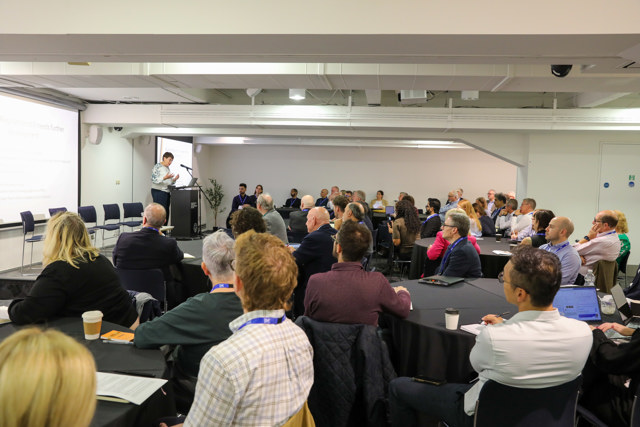
The event focused on a central message: building safety reform is no longer simply a matter of understanding the changes, it is about putting them into practice.
Across a programme of expert-led sessions, delegates examined the evolving building safety regime and the practical responsibilities of those involved in the design, construction, operation and maintenance of buildings. Discussions explored competence, accountability and assurance, building performance and operational risk, as well as the safety considerations associated with the transition to net zero.
The conference opened with a welcome from CIBSE CEO Ruth Carter, followed by a keynote address from Dame Judith Hackitt, CIBSE Fellow and a leading figure in the development of building safety reform in the UK.
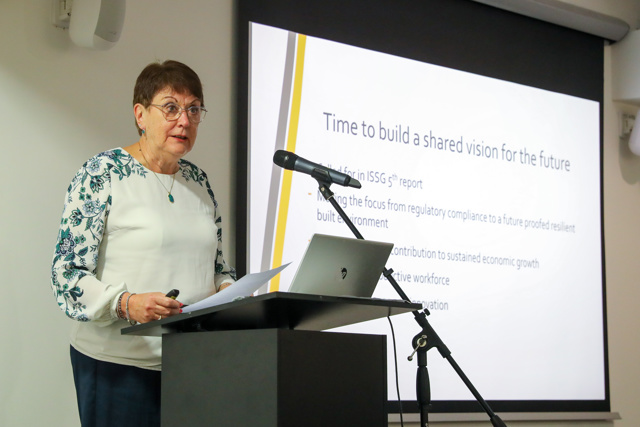
Following the Grenfell Tower tragedy, Dame Judith led the Independent Review of Building Regulations and Fire Safety, which culminated in the landmark Building a Safer Future report, published in 2018. Her work played a pivotal role in shaping the direction of building safety reform and challenged the industry to think differently about responsibility, competence, accountability and safety across the building lifecycle.
In recognition of her exceptional contribution to the sector, Dame Judith was made an Honorary Fellow of CIBSE in 2023.
From reform to delivery
The first session, Building Safety Reform: What the Next Phase Means in Practice, examined how the building safety regime is evolving and what this means for organisations and individuals with responsibility across the building lifecycle.
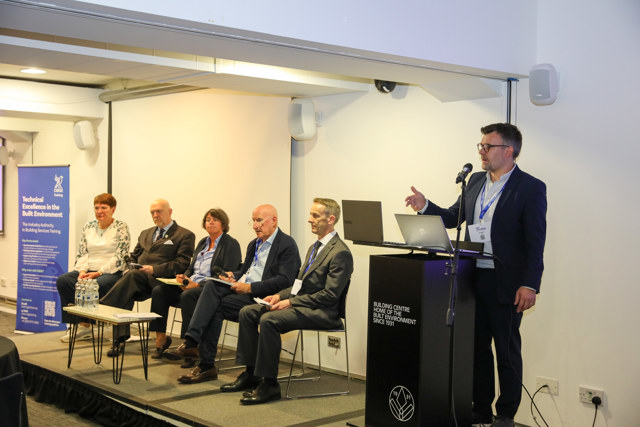
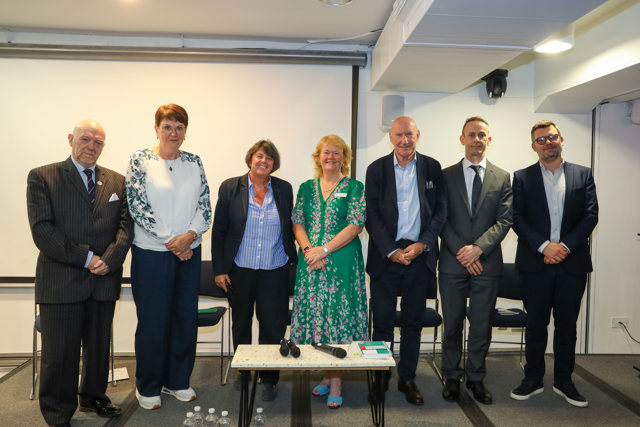
Chaired by Sam Baptist, CIBSE Head of Government Affairs, the session brought together Amanda Long, Charlie Pugsley, Dame Judith Hackitt, Graham Watts, Jack Pringle and Sam Baptist to discuss the practical implications of the changing regulatory landscape, areas where further clarity is required, and how the industry can translate reform into safer, better-performing buildings.
The conference then turned to the importance of competence and accountability in Building Trust in the System: Competence, Accountability and Assurance.
Chaired by Richard Goldsbrough, CIBSE Director of Membership, the session explored how competence is defined, assessed and maintained across the building lifecycle, alongside the roles of professional institutions, employers, regulators and accreditation bodies.
Speakers also considered workforce capability, multidisciplinary working and the implications of the forthcoming Built Environment Professions Strategy, highlighting the importance of competent people and robust systems of assurance in delivering safer buildings.
Building safety throughout the lifecycle
The afternoon programme focused on the practical relationship between building safety, performance and operation.
Building Safety in Practice: Performance, Operations and Lifecycle Risk, chaired by David Fitzpatrick, Managing Director at BSB Engineering Services Ltd, explored the fact that building safety does not end at handover.
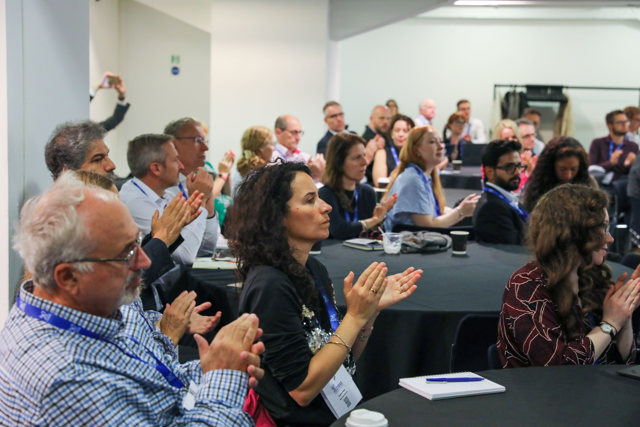
The session examined the role of effective operation and maintenance, competent facilities and engineering teams, reliable building systems and the need for organisations to understand and manage risk throughout occupation.
Speakers considered how building performance and building safety interact in practice, and how building owners, managers and professionals can help ensure that buildings continue to operate safely, effectively and as intended over time.
The final session, Safe and Sustainable Buildings: Managing Risk in the Net Zero Transition, considered the relationship between decarbonisation and building safety.
Chaired by Dr Anastasia Mylona, CIBSE Technical Director, the session explored how the transition to net zero is changing the systems, technologies and retrofit strategies being introduced across the built environment.
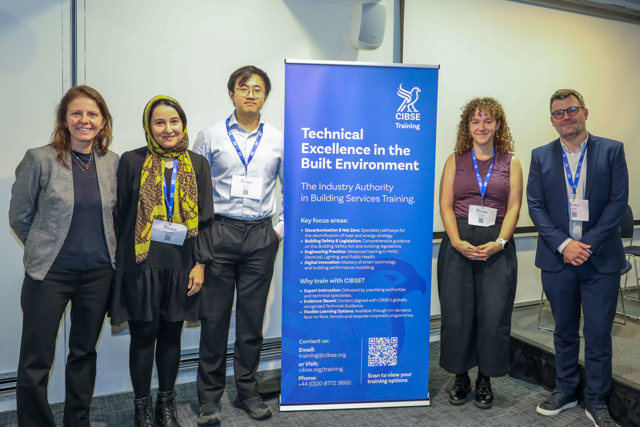
Speakers examined the opportunities these changes create, while also considering the potential safety, resilience, operational and competence challenges that can arise if new technologies and approaches are not properly understood or managed.
The discussion reinforced the importance of delivering decarbonisation in ways that support safe, resilient and high-performing buildings throughout their lifecycle.
Supporting the delivery of safer buildings
The conference provided an opportunity for professionals from across the built environment to consider not only what building safety reform means, but how it can be effectively implemented in practice.
With responsibility for building safety extending across multiple disciplines and throughout the building lifecycle, the discussions highlighted the importance of collaboration, competence, accountability and continuous attention to building performance.
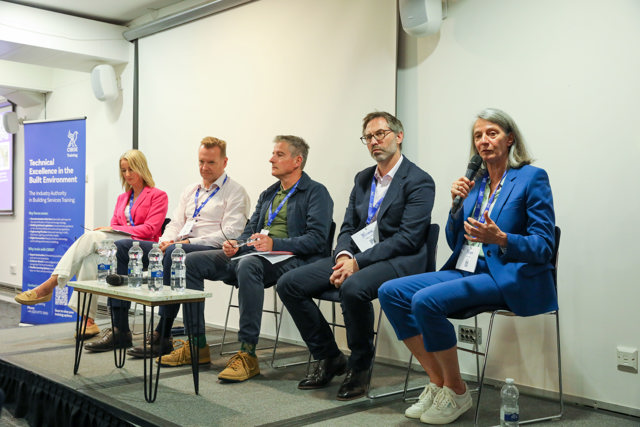
Through Building Safety 2026, CIBSE brought together expertise from across the industry to support the continued development of safer, better-performing and more resilient buildings, while helping professionals navigate the practical challenges of delivering building safety in a changing regulatory and technical landscape.