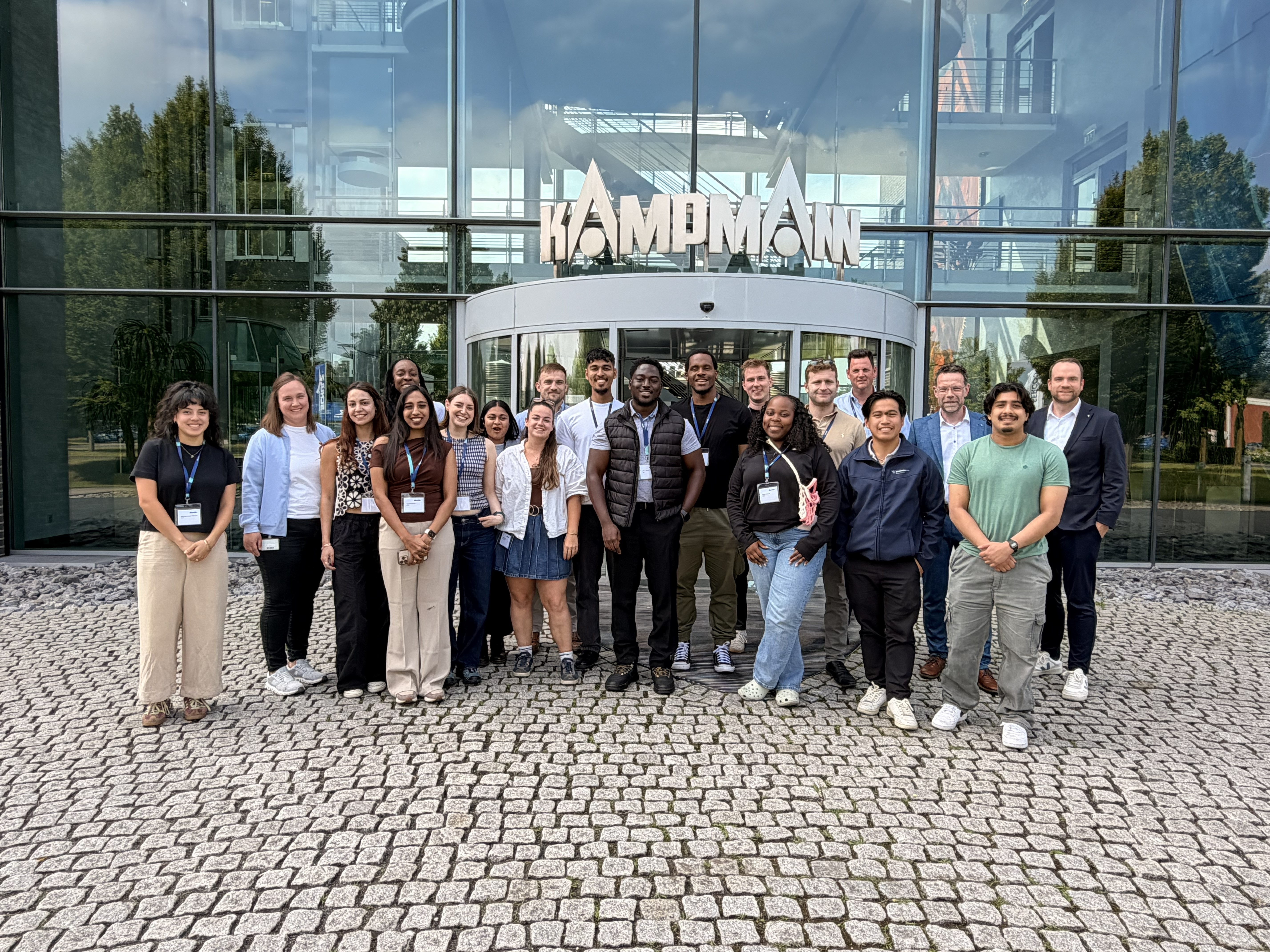
On Monday 15 June 2026, members of CIBSE Young Engineers Network (YEN) travelled to Germany for a two-day visit hosted by Kampmann and Wilo.
It was a chance to see how the products we specify are designed, tested and built, and to explore the sustainability questions shaping our industry.
Day One – Kampmann
Founded in 1972 and based in Lingen, Kampmann makes trench heating and cooling on site, along with fan coil units and air curtains.
We began in the R&D laboratories. A glass thermal chamber uses CFD modelling and portal heaters to simulate real occupant loads, while a flow rig measures rates of up to 100,000 litres per hour.
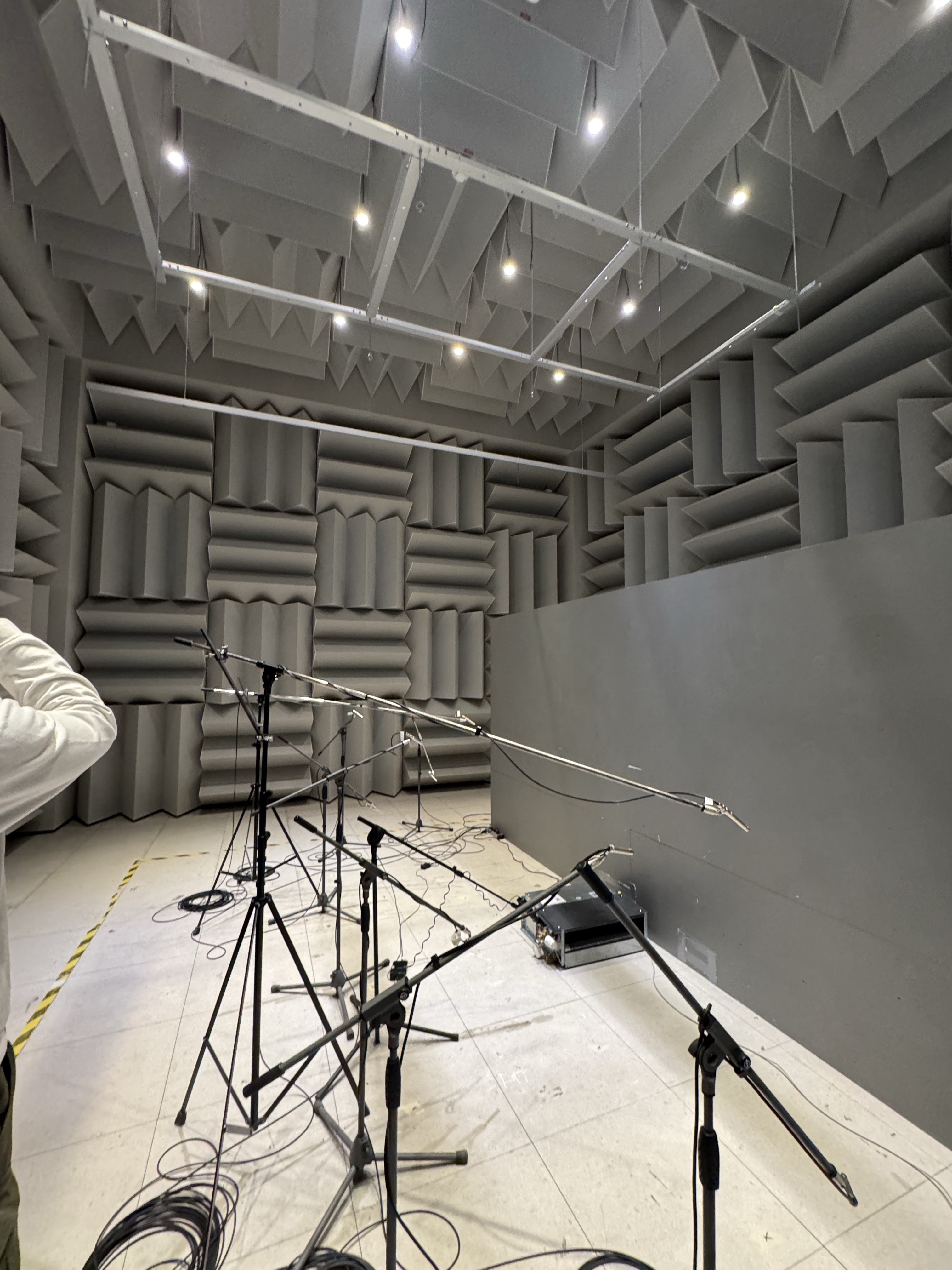
The acoustic testing was a highlight: an anechoic chamber kept to around 15 dBA paired with a reverberant lab that captures sound transfer and fan noise. We also learned that higher-quality fans matter, as cheaper ones can even interfere with building Wi-Fi.
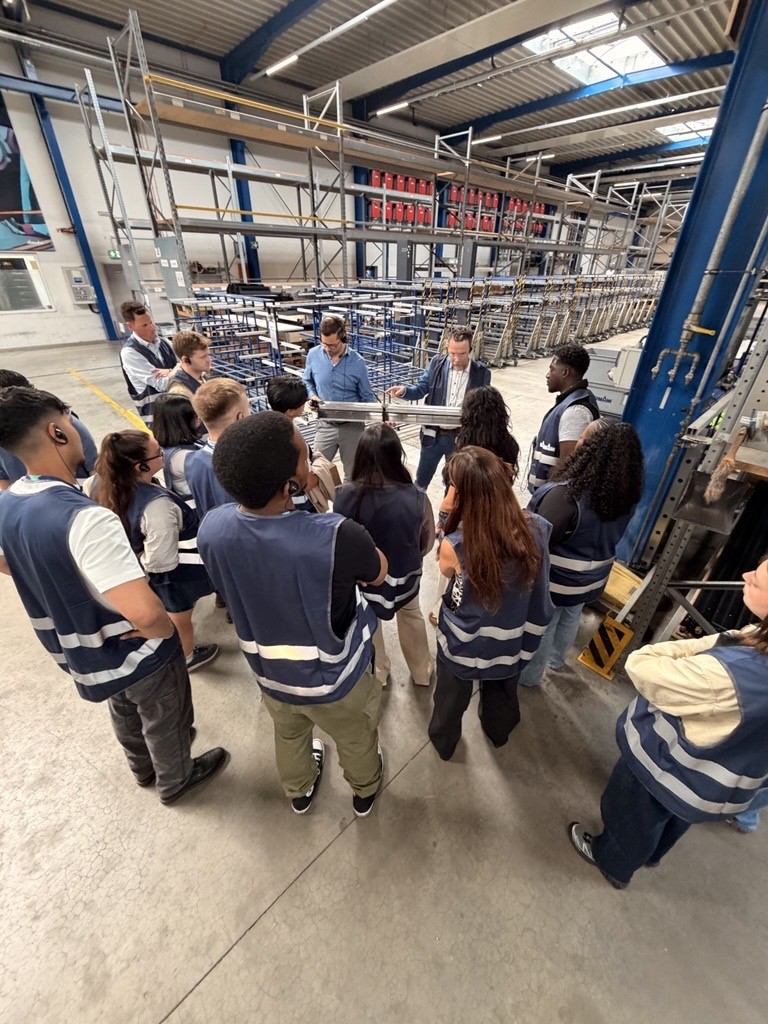
The factory operates on 100% renewable electricity supported by heat pumps, and Kampmann holds an extraordinary 30,000-plus Environmental Product Declarations (EPDs).
The CPD sessions compared the TM65 methodology with the newer, building-services-specific TM65.4, showing products with 25–45% lower embodied carbon, and previewed Digital Product Passports – QR-accessed carbon and lifecycle data arriving from 2027. On materials, timber can cut a product’s footprint by roughly 30% compared with aluminium.
Day Two – Wilo
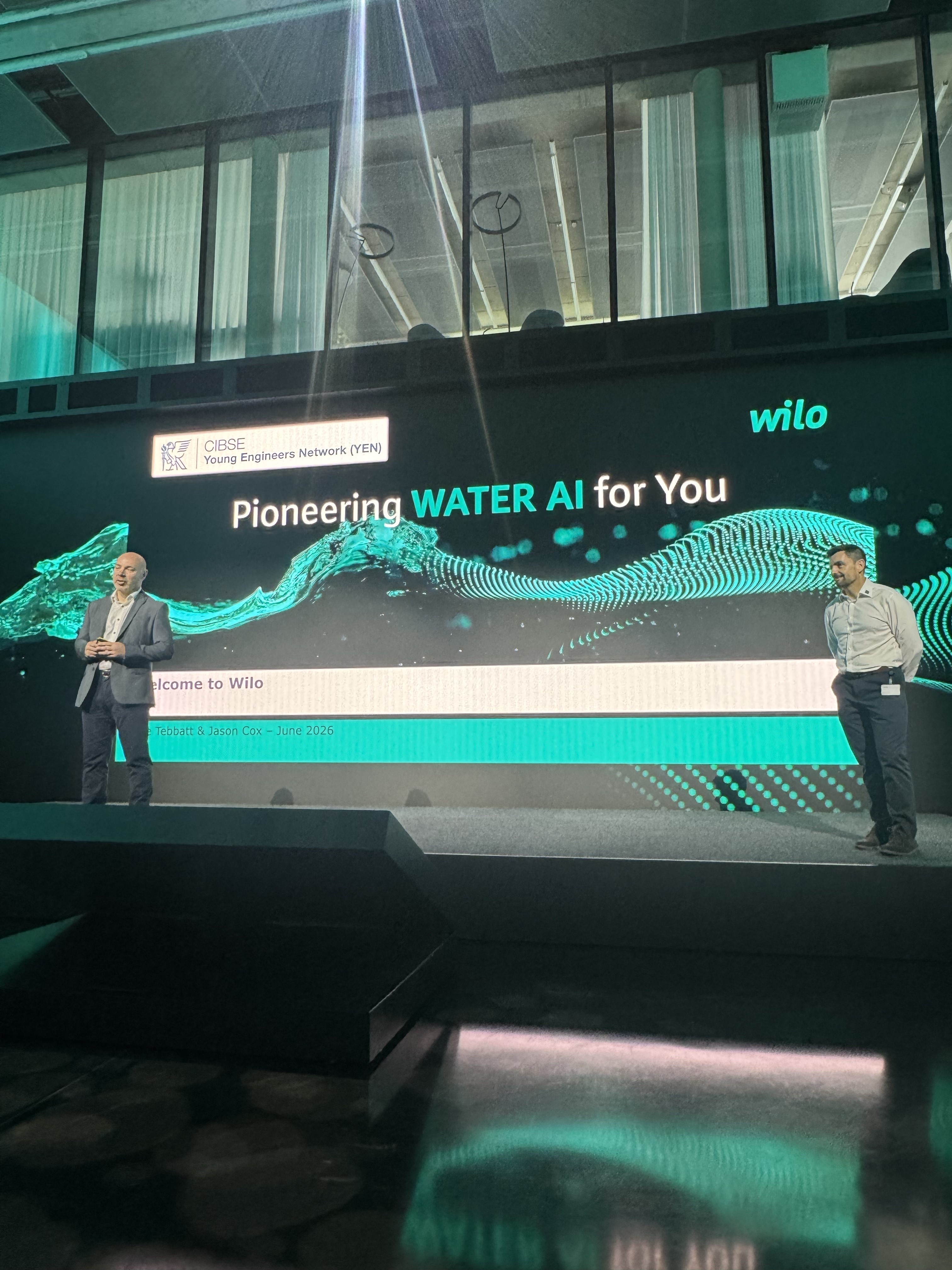
On day 2, Wilo, a 153-year-old company, welcomed us to its Innovation Cube, complete with a 9.1-metre LED wall.
The campus is the world’s first climate-neutral pump manufacturing site, designed to run off-grid on solar and hydrogen, with all of Wilo’s European sites now climate-neutral.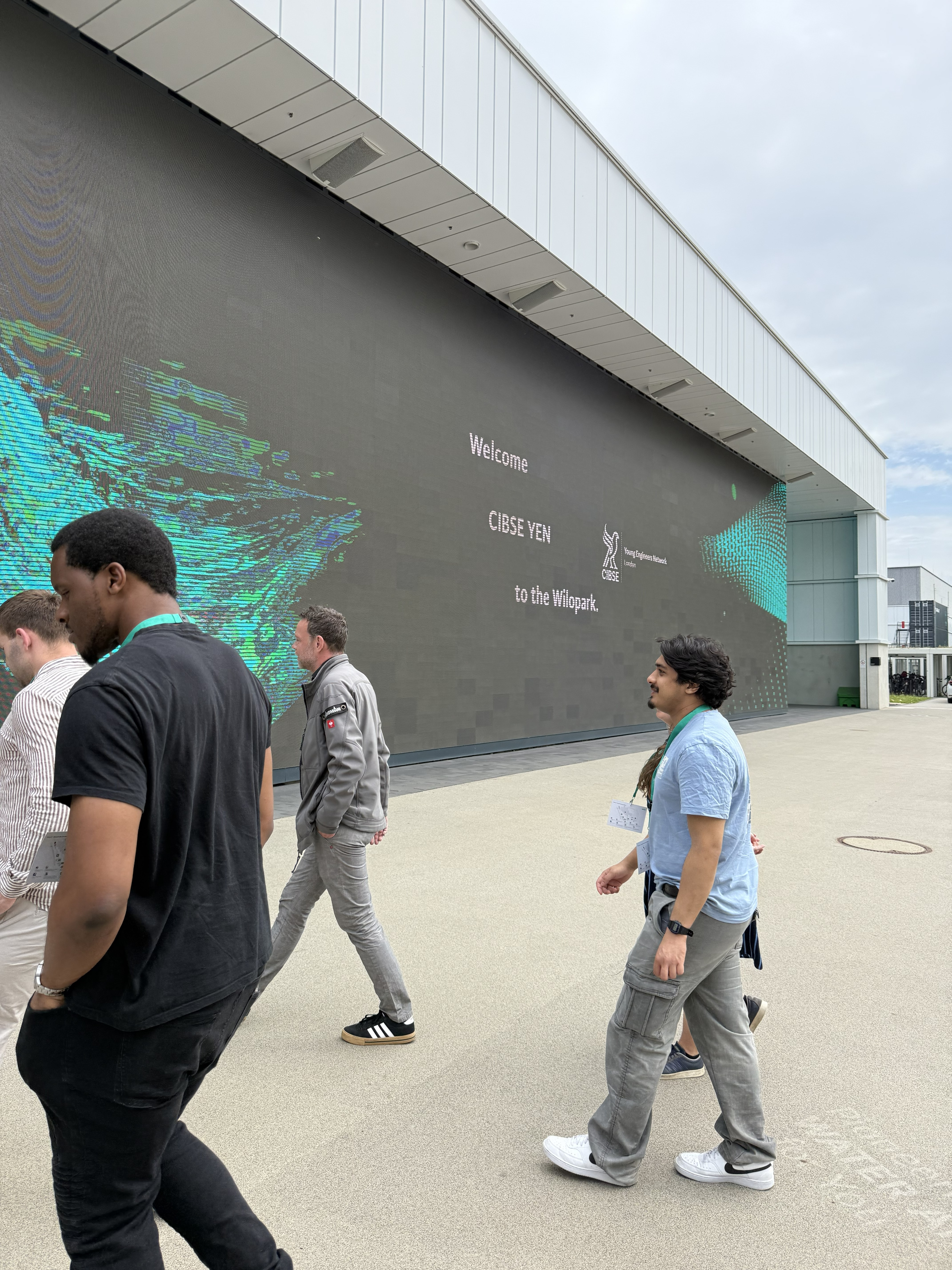
Their products range from Pico and Maxo to Giga, and their Select 5 platform brings product selection, cost and carbon analysis together so financial and carbon impacts can be weighed at design stage.
Two sessions stood out. A “Pioneering Water AI” talk covered predictive maintenance and digital twins, including one of Frankfurt Airport, with embedded AI said to deliver around a 30% improvement in system performance. A circular-economy session made the case for designing products for disassembly from the very start.
The recycling plant handles around 15,000 products a year and recovers close to £1 million in value – proof that reuse can be both green and commercially worthwhile. With EPD requests becoming more commonplace, it is clear that the companies adopting this early and integrating it into their business model will have a head start on the competition.
Key Takeaways
- Testing tells the real story: the figures we rely on come from serious, real-world testing
- Embodied carbon matters more than ever: the emissions built into a product now have had and will continue to have increasing influence on how consultants and clients select building services plant.
- Product Data is the new differentiator: carbon and lifecycle information is far more open that it used to be.
- Reuse starts at the drawing board: products designed to come apart last longer and recover real value
A huge thank you to Kampmann and Wilo for hosting us so generously, and to everyone who delivered the tours and CPD sessions.
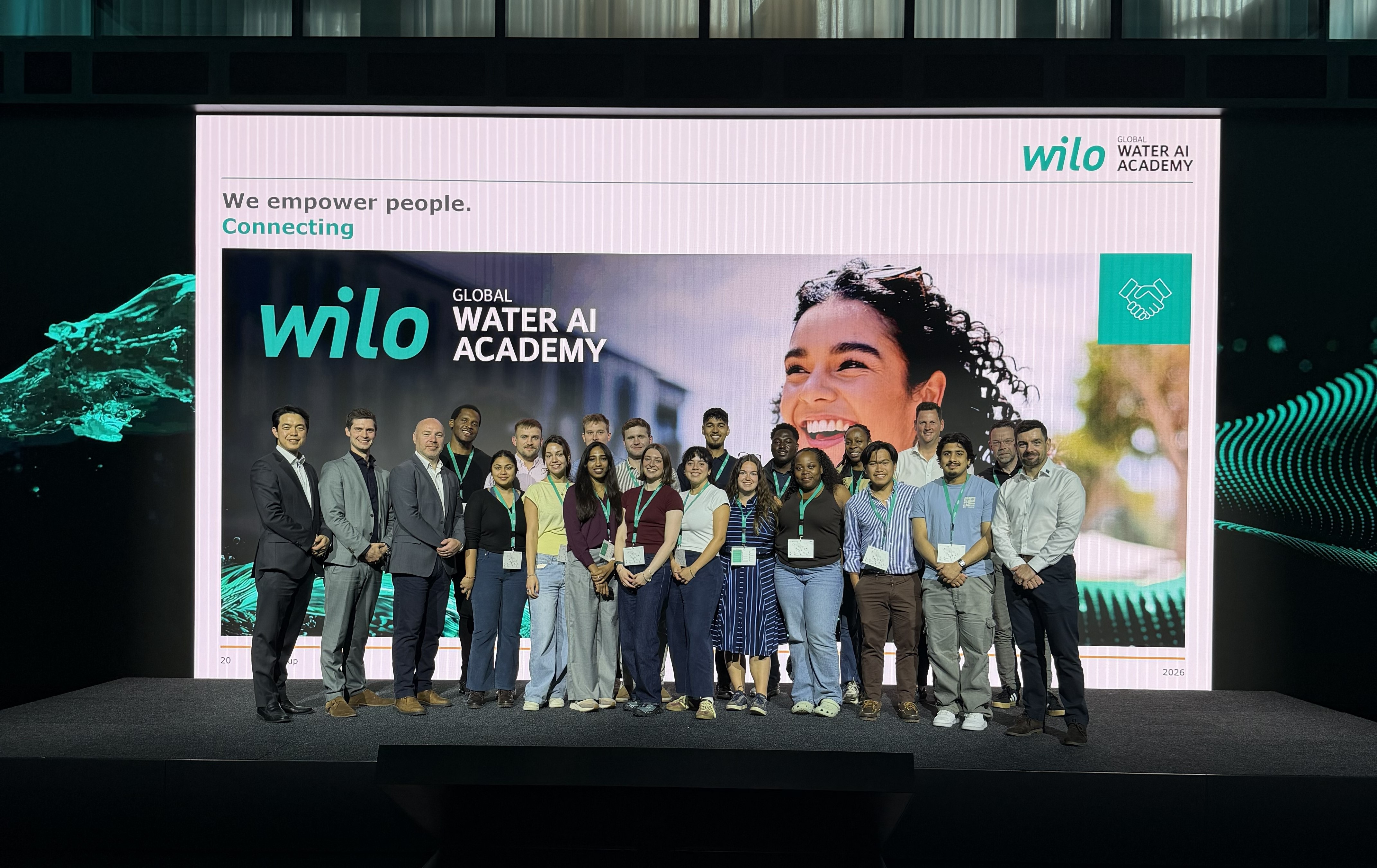
You can see photos and more from the trip in our LinkedIn Post.